Retouch guide
Natural Portrait Retouching: Remove Blemishes Without Plastic Skin
Natural retouching should help a portrait look polished without making the person look artificial. The safest approach is to correct temporary distractions while preserving pores, facial structure, lines, and features that belong to the person.
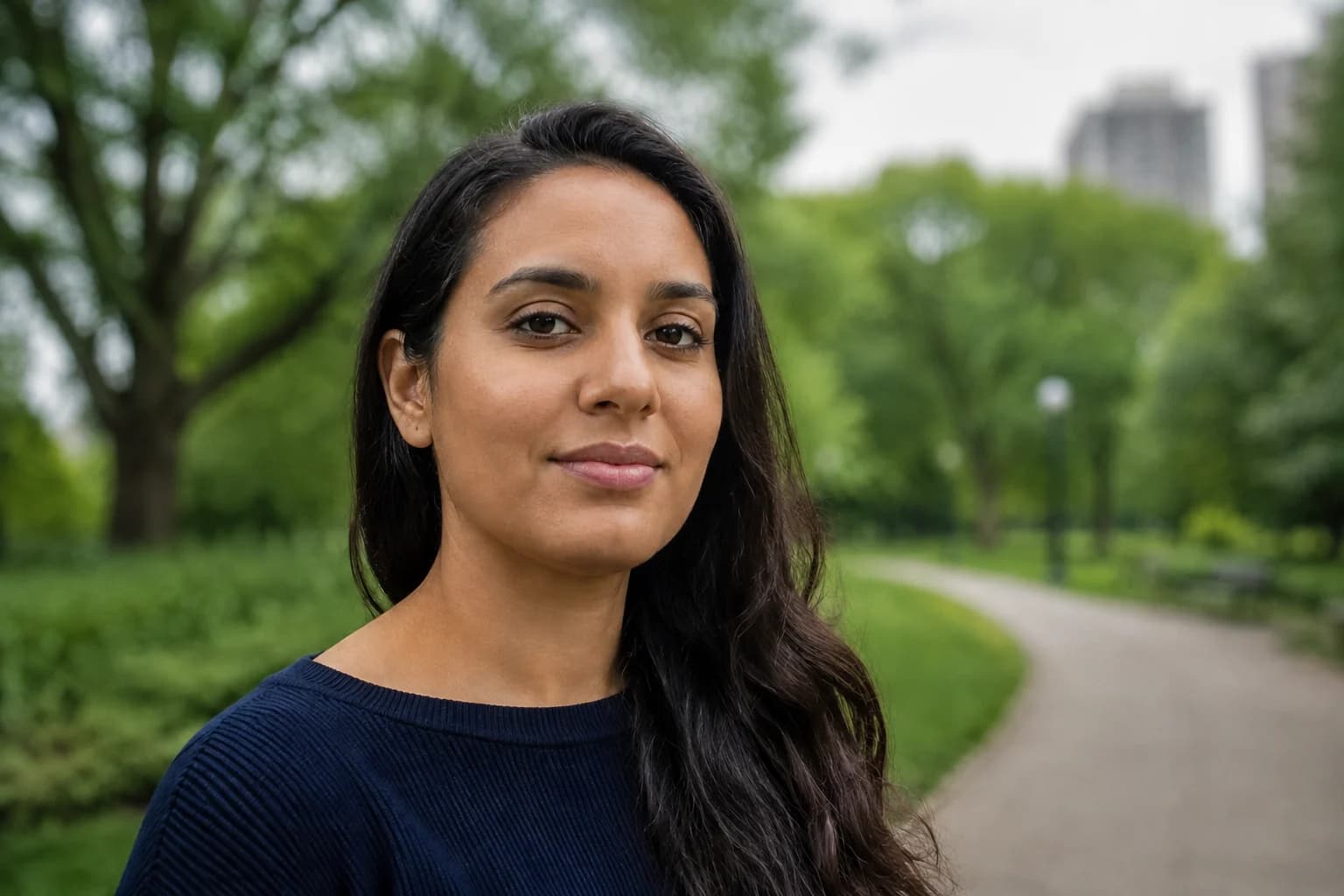 BeforeAfter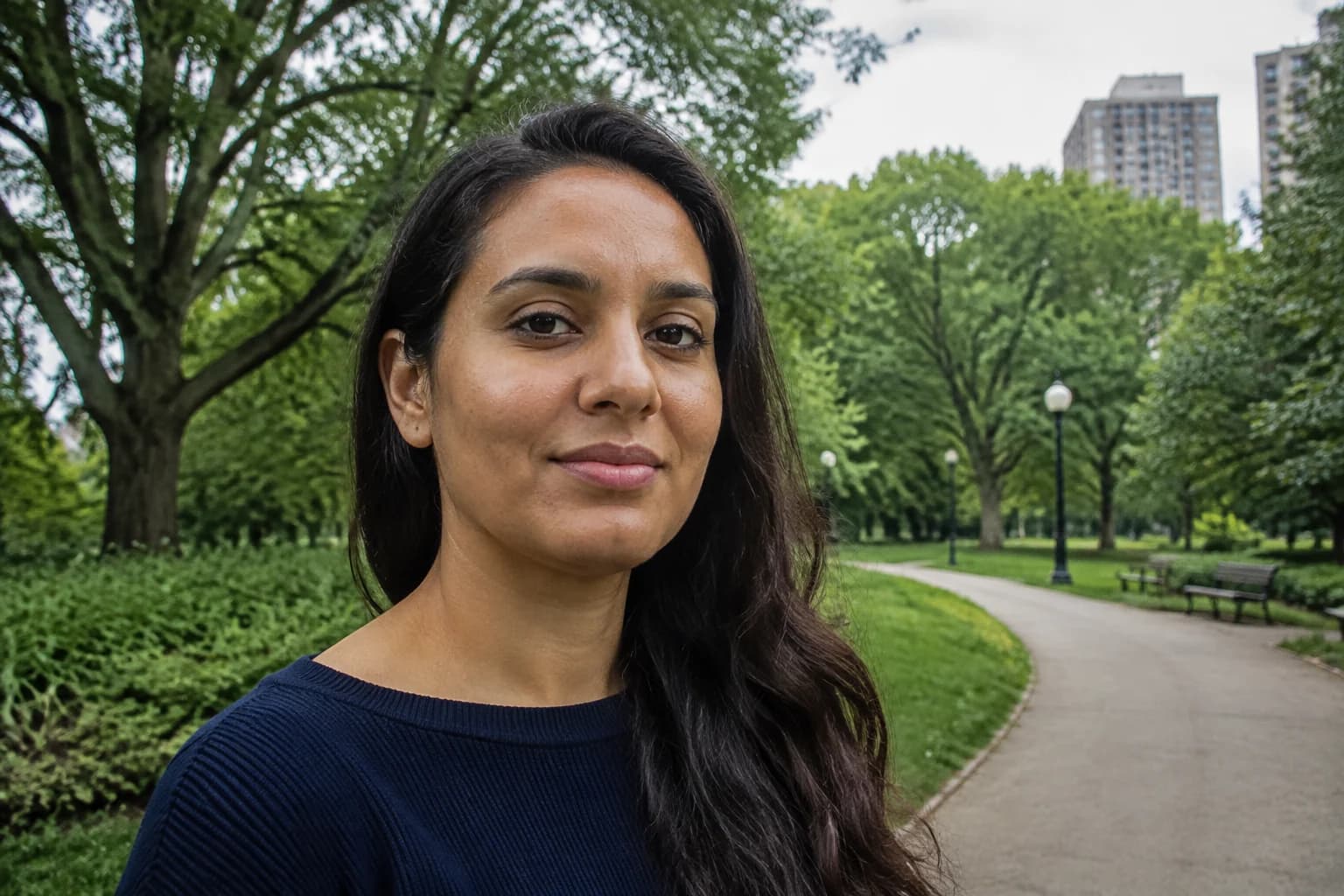
Retouch at the right zoom
Fit the image to screen first and identify the few areas that genuinely distract. Then zoom in enough to place the brush accurately. Spending the entire edit at maximum zoom makes it easy to overwork details nobody will notice at normal viewing size.
Return to fit view after every few corrections. A change that looks subtle close up may look unnaturally smooth when the whole face is visible.
Match brush size to the blemish
Use a brush slightly larger than the spot. A very large brush borrows too much surrounding texture and can smear gradients around cheeks, eyes, and the nose. Softness blends the repaired edge; strength controls how completely the correction replaces the original.
Lower strength is useful for redness or uneven tone. Higher strength may work for a small isolated spot against consistent skin texture.
What to keep
Preserve permanent features such as freckles, moles, expression lines, and natural texture unless the person specifically wants them changed. Avoid reshaping a face under the label of cleanup. Respectful editing keeps identity intact.
- Make a short list of temporary distractions.
- Use the smallest practical healing brush.
- Apply one stroke or tap at a time.
- Undo immediately if texture repeats or smears.
- Compare with the original at normal size.
Finish with global adjustments
After local healing, small changes to exposure, warmth, and shadows can unify the portrait. Avoid using blur as a substitute for careful retouching because it removes texture from both clear and imperfect skin.
Practical tips
- Correct only temporary distractions and keep permanent features.
- Return to fit view after a few local corrections.
Common mistakes
- Using a brush much larger than the blemish.
- Blurring skin until pores and natural texture disappear.